



 Home /
 How to Choose Fixed Forged Steel High-Pressure Ball Valves Guide
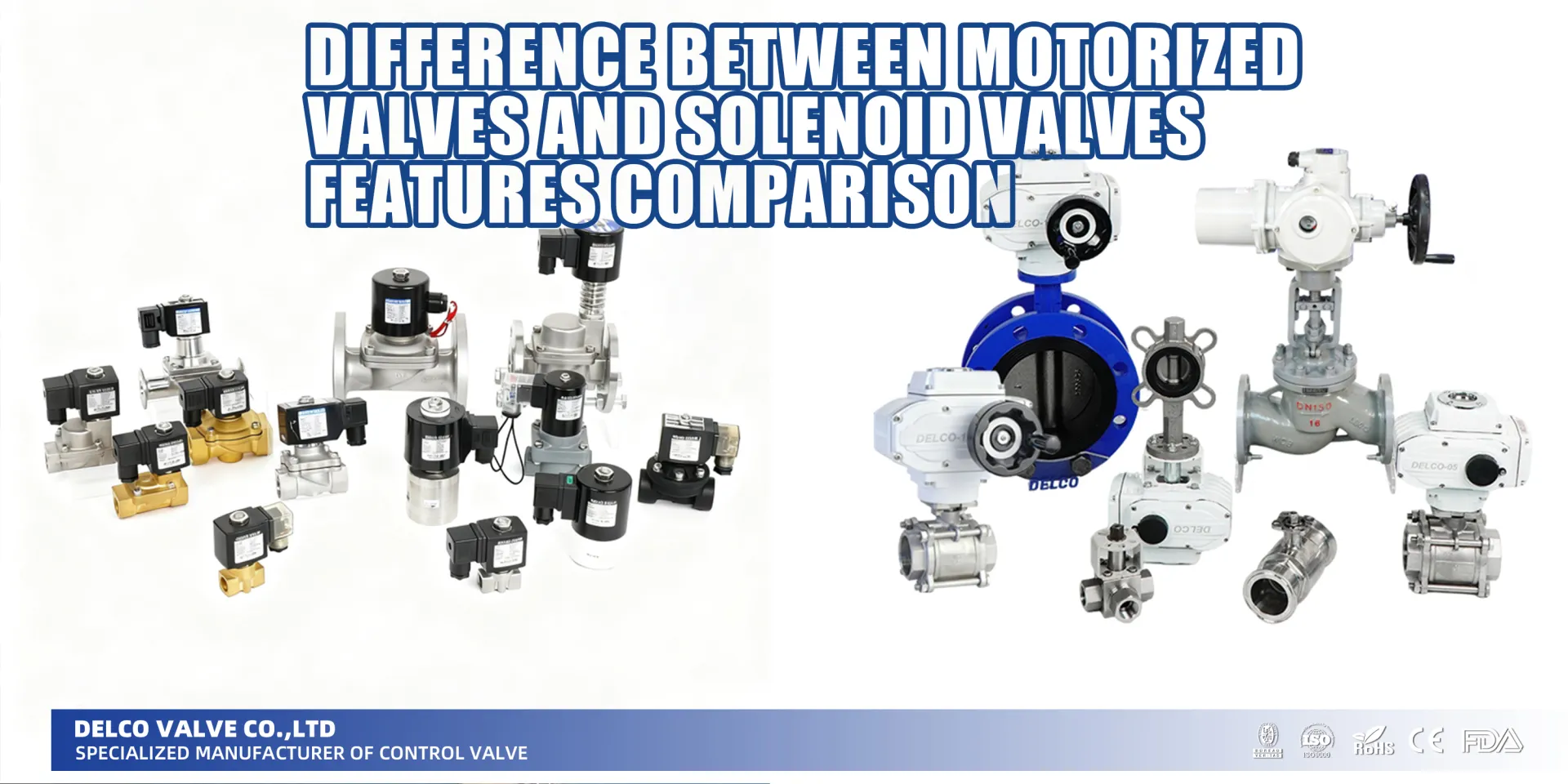
Difference Between Motorized Valves and Solenoid Valves Features Comparison
Nov 29, 2025
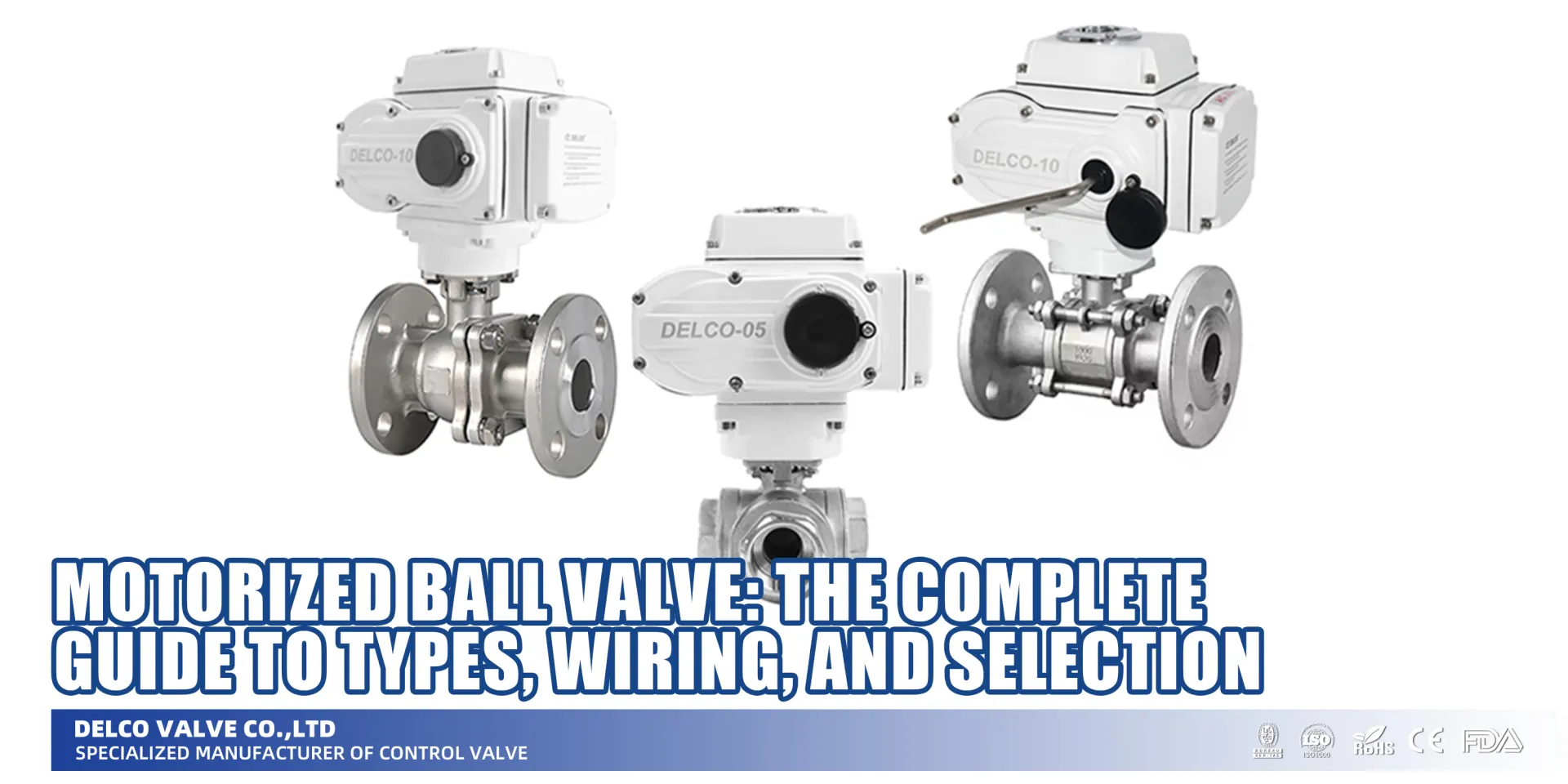
Motorized Ball Valve: The Complete Guide to Types, Wiring, and Selection
Dec 29, 2025
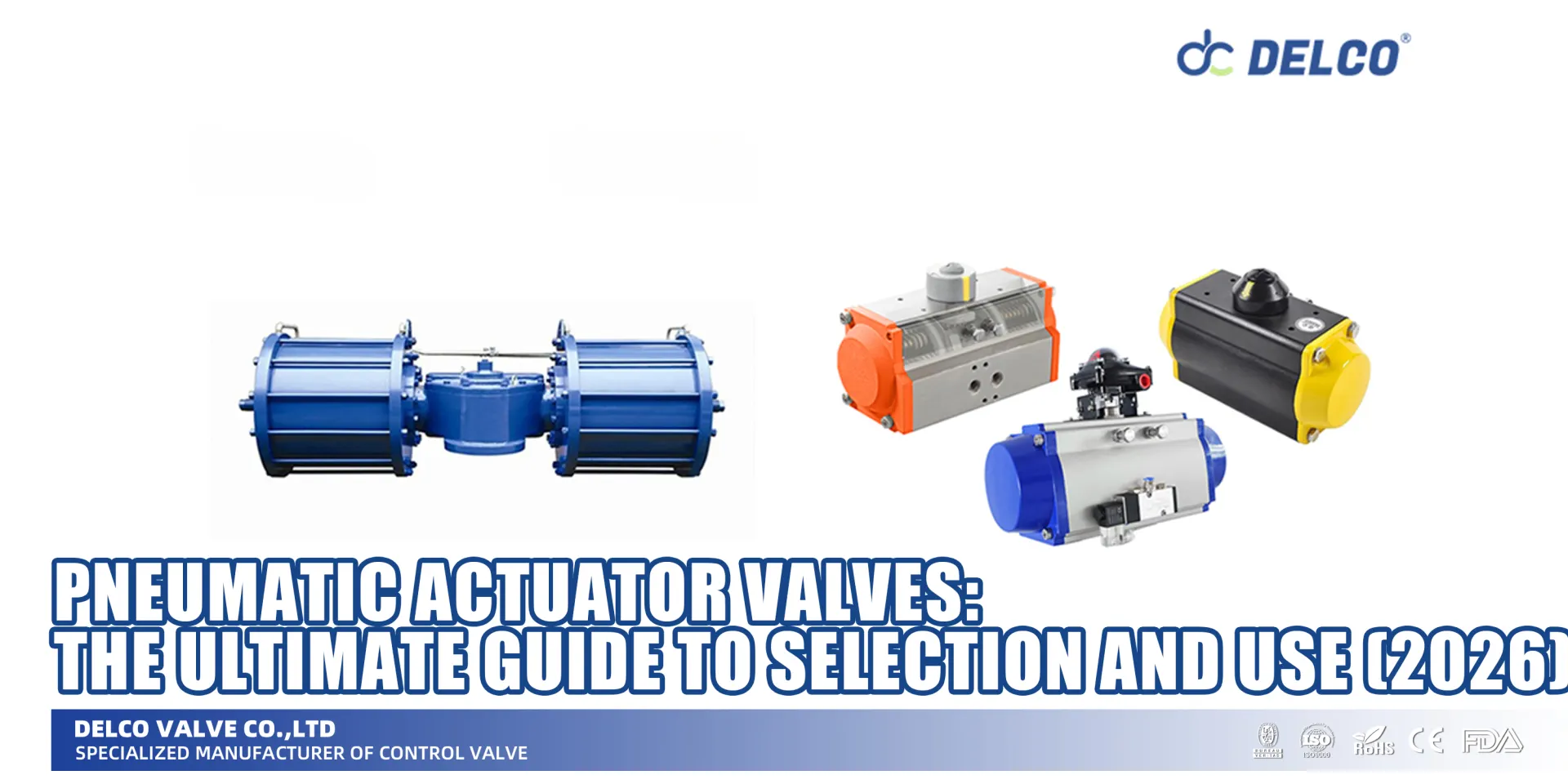
Pneumatic Actuator Valves: The Ultimate Guide to Selection and Use (2026)
Jan 14, 2026
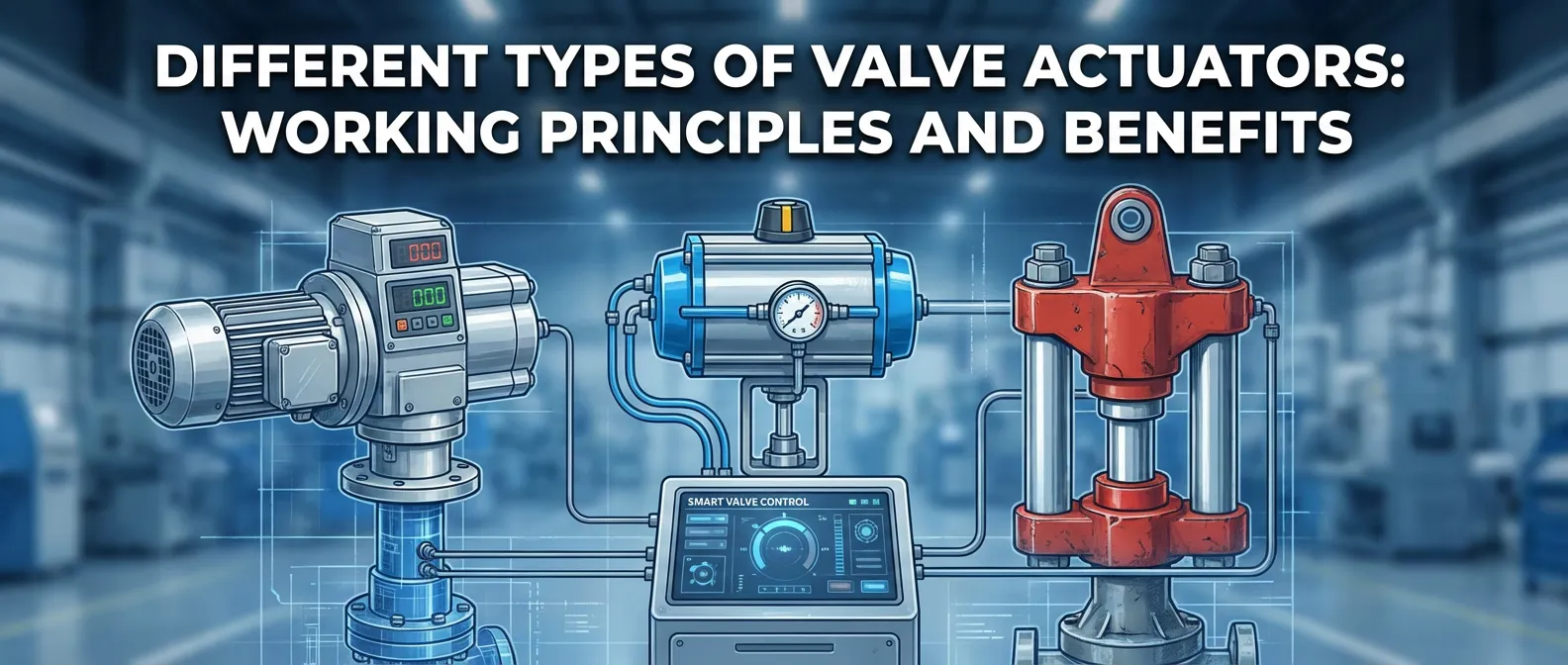
Different Types of Valve Actuators Working Principles and Benefits
Nov 29, 2025
Learn how to choose a fixed forged steel high pressure ball valve with tips on design sealing safety and standards
Introduction: Why Material and Design Matter in High-Pressure Applications
In severe industrial environments, choosing the right valve is not just about fluid control; it is a matter of absolute safety and system integrity. A fixed forged steel high-pressure ball valve serves as the critical defense line in oil, gas, and petrochemical pipelines. When facing extreme pressures and volatile media, material composition and mechanical design dictate whether a valve will perform flawlessly or fail catastrophically. Relying on premium materials and robust engineering ensures continuous, leak-free operations.
Forged vs. Cast Steel: The Strength of Forging for High-Pressure Reliability
Structural Integrity: Eliminating Porosity and Internal Defects
When comparing a forging vs casting comparison, forged steel is the undisputed champion for high-pressure service. The forging process applies immense thermal and mechanical pressure, compressing the metal grain structure. This completely eliminates the porosity, shrinkage, and internal micro-cracks commonly found in cast bodies, ensuring superior mechanical strength and total body material integrity.
Common Forging Materials: A105, F316, and Duplex Steels (F51/F53)
Selecting the right forged steel body dictates the valve’s lifespan.
- Carbon Steel (A105): The industry standard for non-corrosive, high-pressure industrial applications.
- Stainless Steel (F316): Excellent for general corrosive environments and extreme temperatures.
- Duplex Steels (F51/F53): Provides maximum yield strength and unmatched resistance to pitting and chloride stress corrosion.
Trunnion Mounted (Fixed) Design: Managing High Operating Torques
How the Fixed Ball Design Minimizes Seat Wear
Unlike floating designs, a trunnion mounted ball valve anchors the ball at both the top and bottom. The line pressure pushes the upstream seat against the stationary ball to create a seal, rather than forcing the ball into the downstream seat. This mechanical isolation drastically reduces friction and prevents uneven seat wear.
Lowering Operating Torque for Easier Actuation
Because the ball does not smash into the downstream seat under pressure, the operating torque remains significantly lower. This high-torque operation management means you can equip the valve with a smaller, more cost-effective actuator, saving both space and capital expenditure.
Fixed vs. Floating Ball Valves: When to Make the Switch
| Feature | Trunnion Mounted (Fixed) | Floating Ball |
|---|---|---|
| Support | Top and bottom anchoring | Supported only by seats |
| Seat Wear | Minimal | High under pressure |
| Best For | High pressure rating (Class 900-2500) | Low pressure, small diameters |
| Torque | Low and predictable | High and variable |
Pressure Ratings and Standards Compliance
Understanding ASME Classes (900, 1500, 2500) and PN Ratings
Industrial pipelines must respect strict pressure thresholds. Valves rated for ASME Class 900, 1500, and 2500 are heavily engineered to withstand immense pounds per square inch (PSI) without deformation. Proper class selection prevents catastrophic blowouts in critical infrastructure.
API 6D Certification: The Gold Standard for Pipeline Valves
For pipeline operators, API 6D standards are non-negotiable. This certification guarantees that the valve design, manufacturing, and testing meet strict parameters for long-distance oil and gas pipelines, ensuring absolute reliability under heavy loads.
Wall Thickness and Bolting: Ensuring Safety Under Extreme Stress
Strict ASME B16.34 compliance dictates the required minimum wall thickness and bolting strength for high-pressure environments. Thicker walls and high-tensile bolting provide the rigidity needed to withstand pressure surges and thermal expansion without yielding.
Sealing Technology: Soft Seat vs. Metal-to-Metal
Soft Seats (PEEK, Devlon, Nylon): Achieving Zero Leakage
For clean fluids, soft seat inserts offer reliable, bubble-tight sealing.
- Nylon: Standard choice for high pressure.
- Devlon: Offers excellent wear resistance and handles higher pressures and temperatures.
- PEEK: The ultimate thermoplastic for extreme heat and aggressive chemicals.
Metal-to-Metal Sealing for Abrasive and High-Temperature Media
When dealing with slurries, sand, or temperatures exceeding 250°C, soft seats will melt or tear. A metal-to-metal seat utilizes hard-faced tungsten carbide or stellite coatings to crush particulates and maintain a secure seal in the harshest conditions.
Double Block and Bleed (DBB) Functionality
A Double Block and Bleed (DBB) configuration provides simultaneous upstream and downstream sealing with a central cavity bleed. This allows engineers to safely verify zero leakage and drain the line under pressure, a critical safety feature during maintenance.
Critical Safety Features to Look For
Fire-Safe Design: Meeting API 607 and API 6FA Standards
In the event of a facility fire, a soft-seated valve will melt. A certified fire-safe design (API 607) guarantees a secondary metal-to-metal backup seal will instantly engage, preventing catastrophic fuel release.
Blowout-Proof Stem and Anti-Static Protection
An anti-static device grounds the ball and stem to the valve body, preventing static sparks in explosive atmospheres. Simultaneously, a blowout-proof stem is designed with an integral shoulder to stop line pressure from ejecting the stem outward.
Emergency Sealant Injection Systems for Seats and Stems
Foreign debris can occasionally score a soft seat, causing minor leaks. In an emergency shut-off, a built-in seat sealant injection and stem injection system allows operators to pump specialized grease directly into the seating area to temporarily restore the seal.
Selecting the Right End Connections and Bore Size
Flanged vs. Butt-Weld (BW) vs. Ring Type Joint (RTJ)
The end connections dictate installation strength and leak potential.
- Flanged (RF): Easy to install and remove for low-to-medium pressure.
- Ring Type Joint (RTJ): The standard for high-pressure classes (900+), utilizing a metal ring gasket for extreme tightness.
- Butt-Weld (BW):pipeline integrity is non-negotiable. When managing high-pressure systems, the failure of a single valve can lead to catastrophic downtime and safety hazards. Choosing a fixed forged steel high-pressure ball valve** guarantees structural reliability, precise flow control, and maximum safety under extreme mechanical stress. Material selection and design architecture dictate whether a valve survives years of harsh service or fails prematurely.
Forged vs. Cast Steel: The Strength of Forging for High-Pressure Reliability
Structural Integrity: Eliminating Porosity and Internal Defects
We engineer high-pressure valves using forged steel because it delivers unparalleled body material integrity. The forging process compresses the metal, aligning the grain structure and completely eliminating internal cavities, porosity, and shrinkage defects common in cast steel.
Common Forging Materials: A105, F316, and Duplex Steels (F51/F53)
| Material Grade | Best Application | Key Characteristics |
|---|---|---|
| A105 (Carbon Steel) | Standard high-pressure oil & gas | Cost-effective, high strength, standard industrial use. |
| F316 (Stainless Steel) | Corrosive media | Excellent rust prevention and general chemical resistance. |
| F51/F53 (Duplex) | Offshore & highly aggressive fluids | Superior strength and resistance to chloride stress cracking. |
Trunnion Mounted (Fixed) Design: Managing High Operating Torques
How the Fixed Ball Design Minimizes Seat Wear
A Trunnion mounted ball valve anchors the ball at the top and bottom. Instead of the ball floating into the downstream seat, line pressure forces the floating seats directly against the fixed ball. This mechanical isolation drastically reduces friction and seat wear.
Lowering Operating Torque for Easier Actuation
Because the trunnion absorbs the immense thrust generated by high line pressure, the high-torque operation typically associated with large valves is neutralized. This significantly lowers the breakaway torque, enabling smoother operation and the use of smaller, more economical actuators.
Fixed vs. Floating Ball Valves: When to Make the Switch
- Floating Ball: Best for low pressure (Class 150-300) and small sizes (under 2 inches).
- Fixed (Trunnion) Ball: Mandatory for large bore piping and high pressure ratings (Class 600+), where fluid force would otherwise crush the downstream seat.
Pressure Ratings and Standards Compliance
Understanding ASME Classes (900, 1500, 2500) and PN Ratings
Our high-pressure valves are strictly engineered to handle extreme forces.
- Class 900: Used for heavy duty processing.
- Class 1500: Standard for extreme high-pressure pipelines.
- Class 2500: Designed for ultra-high-pressure injection systems.
API 6D Certification: The Gold Standard for Pipeline Valves
Compliance with API 6D standards ensures the valve passes rigorous testing for robust pipeline isolation. It guarantees the valve is fit for critical infrastructure, including strict valve pressure testing (API 598) protocols.
Wall Thickness and Bolting: Ensuring Safety Under Extreme Stress
We strictly adhere to ASME B16.34 compliance for wall thickness and high-tensile bolting, ensuring the valve body absorbs immense pressure surges without deformation.
Sealing Technology: Soft Seat vs. Metal-to-Metal
Soft Seats (PEEK, Devlon, Nylon): Achieving Zero Leakage
For clean fluids and gases, soft seat inserts (Devlon, PEEK) are essential. PEEK offers exceptional rigidity and temperature resistance, ensuring zero leakage under intense pressure without deforming.
Metal-to-Metal Sealing for Abrasive and High-Temperature Media
When handling slurries, severe abrasives, or temperatures exceeding 250°C, soft seats fail. A metal-to-metal seat utilizes hardened surfaces (like Tungsten Carbide) to shear through debris and maintain a tight seal.
Double Block and Bleed (DBB) Functionality
Double Block and Bleed (DBB) allows the valve to seal against pressure from both upstream and downstream simultaneously, bleeding the central cavity safely. This is critical for maintenance and proving seat integrity.
Critical Safety Features to Look For
Fire-Safe Design: Meeting API 607 and API 6FA Standards
Our valves feature a certified fire-safe design (API 607). If high heat destroys the primary soft seat, a secondary metal-to-metal seal automatically engages to prevent flammable media from feeding the fire.
Blowout-Proof Stem and Anti-Static Protection
- Blowout-proof stem: Machined with an integral collar to prevent the stem from being ejected by internal cavity pressure.
- Anti-static device: Grounding springs ensure electrical continuity between the ball, stem, and body, eliminating spark risks in explosive zones.
Emergency Sealant Injection Systems for Seats and Stems
A vital emergency shut-off feature. If a seat or stem seal gets damaged by debris, operators can perform a seat sealant injection to temporarily restore absolute tightness until scheduled maintenance.
Selecting the Right End Connections and Bore Size
Flanged vs. Butt-Weld (BW) vs. Ring Type Joint (RTJ)
| Connection Type | Application Profile |
|---|---|
| RTJ (Ring Type Joint) | Mandatory for high pressure (Class 900+); uses a metal gasket for a perfect seal. |
| BW (Butt-Weld) | Permanent pipeline integration; eliminates potential flange leak paths. |
| Flanged (RF) | Easier maintenance and replacement; generally used for lower pressure classes. |
Full Bore for Pigging Operations vs. Reduced Bore for Cost Savings
- Full bore: Essential for pipeline pigging and zero pressure drop.
- Reduced bore: An economical choice where flow restriction is acceptable and pigging is not required.
Operational Requirements: Manual vs. Automated Actuation
Sizing Actuators for High-Pressure Breakaway Torque
High-pressure environments demand appropriately sized pneumatic, hydraulic, or electric actuators to overcome the initial breakaway torque reliably.
ISO 5211 Mounting Pads for Easy Automation
Integrated ISO 5211 mounting pads allow for the direct and rigid attachment of actuators without complicated bracketry, ensuring immediate automation readiness.
Environment and Corrosion Resistance
Handling Sour Gas (H2S) with NACE MR0175 Compliance
For sour gas service, materials must meet strict NACE MR0175 standards. We utilize specialized metallurgy and hardness controls to prevent Sulfide Stress Cracking (SSC).
Internal Coatings and Overlays (ENP, Stelliting)
To combat severe corrosion and abrasion, critical internal components receive Electroless Nickel Plating (ENP) or Stellite overlays, massively extending the valve’s service life.
FAQ: Fixed Forged Steel High-Pressure Ball Valves
Why is forged steel preferred over cast steel for Class 1500+ valves?
Forging completely eliminates internal micro-voids and porosity, providing the dense, high-strength structural integrity required to withstand Class 1500+ pressures safely.
What is the difference between a Trunnion Mounted and a Floating Ball valve?
A floating ball is pushed by line pressure into the downstream seat to seal, which causes high wear at high pressures. A trunnion mounted valve anchors the ball in place and pushes the seat against the ball, lowering torque and wear.
When should I choose PEEK seats instead of PTFE for high-pressure service?
PTFE deforms easily under extreme pressure. PEEK is exceptionally rigid and maintains its structural shape and sealing capability at high pressures and higher temperatures.
Do high-pressure forged valves require regular sealant injection?
No. Sealant injection is strictly an emergency backup feature to stop leaks temporarily if the primary seal is damaged by debris.
How does Double Block and Bleed (DBB) improve pipeline safety?
It allows operators to isolate high pressure from both directions and bleed the trapped fluid in the valve cavity, ensuring the line is safe for downstream maintenance.
Investing in Quality for Long-Term Pipeline Safety
Choosing a fixed forged steel high-pressure ball valve is an investment in operational security. By prioritizing forged integrity, trunnion design, and API 6D compliance, you eliminate severe safety risks, minimize maintenance costs, and ensure your critical pipeline infrastructure performs flawlessly under extreme conditions.
Share on Social:


Contact Us
In This Article
Difference Between Motorized Valves and Solenoid Valves Features Comparison
Nov 29, 2025
Motorized Ball Valve: The Complete Guide to Types, Wiring, and Selection
Dec 29, 2025
Pneumatic Actuator Valves: The Ultimate Guide to Selection and Use (2026)
Jan 14, 2026
Different Types of Valve Actuators Working Principles and Benefits
Nov 29, 2025